
How to Maximize Your Massage Results: The Ultimate Post-Care Guide
You’ve just finished a massage and you are feeling feel relaxed, mobile, and rejuvenated. Naturally, you want that feeling to last.

The good news is that the "massage high" doesn’t have to fade the moment you leave the clinic. Post-care is an essential part of the therapy process. While your Registered Massage Therapist (RMT) does the heavy lifting in the clinic, what you do at home dictates how long the benefits last.
Here is a practical guide to post-massage care to help you get the most out of every appointment.
The "Must-Dos" After Your Massage
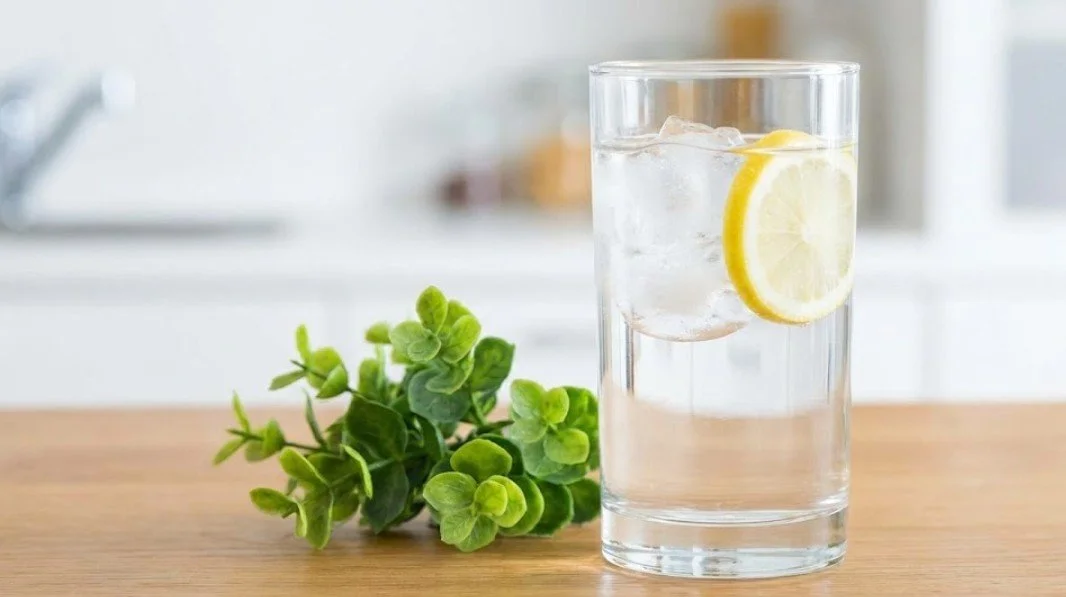
1. Hydrate Immediately
Drinking water is the single most important thing you can do after manual therapy. Massage mobilizes metabolic byproducts and fluids in your soft tissue. To help your body flush these out efficiently, you need to be well-hydrated. Aim for an extra glass or two of water post-session to support circulation and lymphatic flow.
2. Soak in Epsom Salts
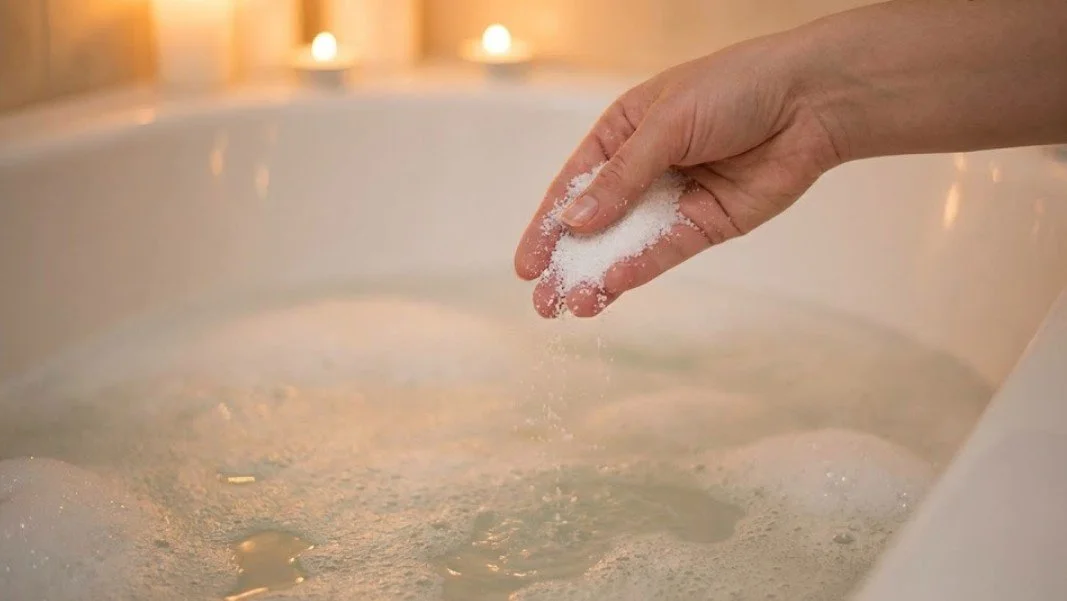
Extend your relaxation with a warm bath. The heat soothes muscles and fascia while promoting blood flow. Adding Epsom salts provides magnesium, which can be absorbed through the skin to further aid muscle recovery and relaxation.
3. Listen to Your Emotions
We often hold emotional stress physically in our muscles. When that tension is released physically, it can sometimes surface emotionally. This is normal. Whether you feel the need for quiet solitude, a nap, or a good laugh, give yourself the space to process it.
4. Tune In to Your Body
Use the hours following your appointment to practice body awareness. Notice your improved range of motion and identify areas that still feel guarded. This simple habit of "checking in" helps you understand what your body needs day-to-day.
5. Fuel Your Recovery
Many people avoid eating heavy meals before a massage, which can leave you feeling depleted afterward. Eat a nutrient-dense snack or meal to stabilize your blood sugar and support tissue repair.
6. Prioritize Rest
Think of a massage like a workout—your tissues need rest to adapt and repair. If possible, avoid high-stress activities for the rest of the day. An early bedtime helps your nervous system consolidate the benefits of the treatment.

7. Rebook Before Stiffness Returns
Don't wait until you are in pain to book your next session. Scheduling your next visit while you are feeling good helps prevent the "boom and bust" cycle of pain and recovery. Your therapist can recommend a frequency that focuses on long-term prevention rather than just acute symptom management.
What To Avoid After a Massage
Intense Workouts: While you might feel energized, your muscles are in a state of recovery. Heavy lifting or high-intensity cardio immediately after a massage can lead to injury or soreness. Stick to a gentle walk or light mobility work.
Caffeine: Coffee is a diuretic and a stimulant. It can contribute to dehydration and tense up the nervous system you just spent an hour relaxing. Opt for herbal tea or water instead.
Questions About Your Treatment?
If you have questions about how to prepare for your next visit or how to manage specific symptoms after your massage, please reach out to our team. We are here to help you move better and feel better.